
Quick Answer
- Muscle strength during pregnancy depends on adequate nutrition, appropriate physical activity, and adequate rest. This is the core of nutrition tips for maintaining muscle strength during pregnancy
- Protein, healthy fats, vitamins and minerals all contribute to normal muscle function, but no single food can prevent muscle changes associated with pregnancy.
- Eating consistently balanced meals helps provide the nutrients muscles need to adapt to the physical demands of pregnancy.
- Good nutrition supports your overall health before and after birth, making it an important part of long-term wellbeing rather than a quick fix.
Pregnancy asks a lot from your body. As your baby grows inside you, your muscles, joints and connective tissues gradually adapt to support changes in posture, balance and movement. While these changes are completely natural, maintaining healthy muscle function through good nutrition can help you feel stronger throughout pregnancy and better prepared for recovery afterwards.
Nutrition isn’t about finding one miracle food. It’s all about giving your body the essential building blocks it needs every day. This also helps in case of diastasis recti in Stowmarket, UK.
Why does muscle strength matter during pregnancy?
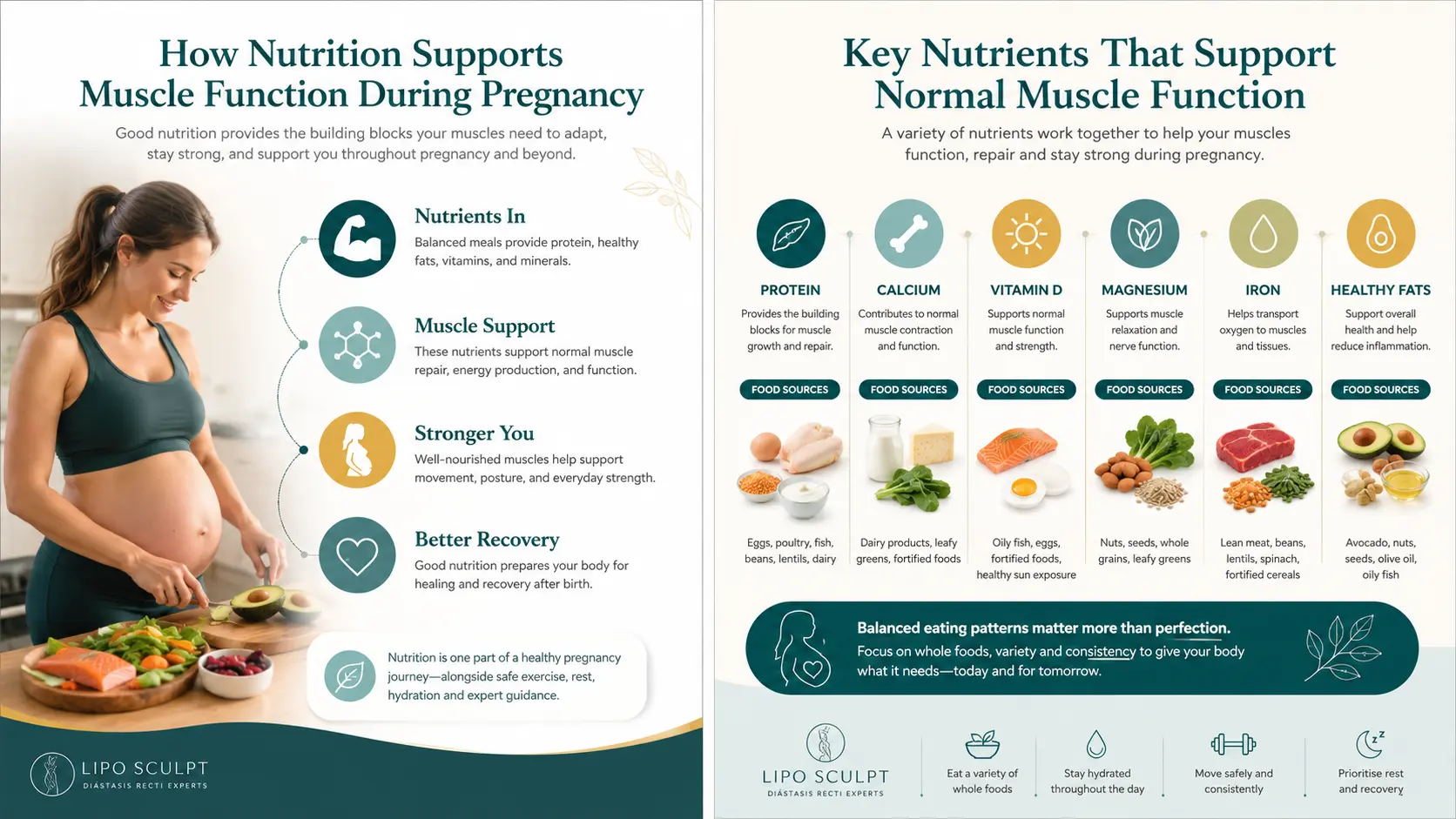
Healthy muscles help support movement, posture and everyday activities throughout pregnancy. While nutrition cannot stop the normal physical adaptations that occur as your baby grows, it provides the raw materials muscles need to repair, maintain and function normally.
The abdominal muscles often receive the most attention, particularly when people are concerned about diastasis recti. However, muscle health involves the entire body. Your back, hips, pelvic floor, and legs all work together to support the changing biomechanics of pregnancy.
Looking after overall muscle health may also help you stay more comfortable during daily activities, whether that’s walking, climbing stairs or lifting everyday items safely.
Which nutrients help support normal muscle function during pregnancy?
No nutrient works in isolation. Muscles depend on a combination of protein, carbohydrates, healthy fats, vitamins and minerals working together.
| Protein | Supports the maintenance and repair of muscle tissue | Eggs, fish, poultry, beans, lentils, Greek yoghurt |
| Calcium | Contributes to normal muscle contraction | Dairy foods, fortified alternatives, leafy vegetables |
| Vitamin D | Supports normal muscle function | Oily fish, fortified foods, and sunlight exposure, where appropriate |
| Magnesium | Supports muscle and nerve function | Nuts, seeds, wholegrains, leafy greens |
| Iron | Helps transport oxygen around the body | Lean meat, beans, spinach, fortified cereals |
| Healthy fats | Support overall maternal health | Avocados, nuts, seeds, olive oil |
Rather than focusing on individual nutrients, building balanced meals usually provides a more practical and sustainable approach.
Is protein the most important nutrient for muscle strength during pregnancy?
Protein plays an important role because muscles continually repair and renew themselves. During pregnancy, those natural processes continue while your body adapts to significant physical changes.
That doesn’t mean eating excessive amounts of protein is better. A balanced intake spread throughout the day is generally more useful than relying on a single large high-protein meal.
Including a source of protein with breakfast, lunch and dinner can help create a consistent supply of amino acids that support normal muscle maintenance.
Examples include:
- Eggs on wholegrain toast
- Greek yoghurt with fruit
- Lentil soup
- Chicken with vegetables
- Chickpea salads
- Tofu stir-fries
Can nutrition help reduce muscle fatigue during pregnancy?
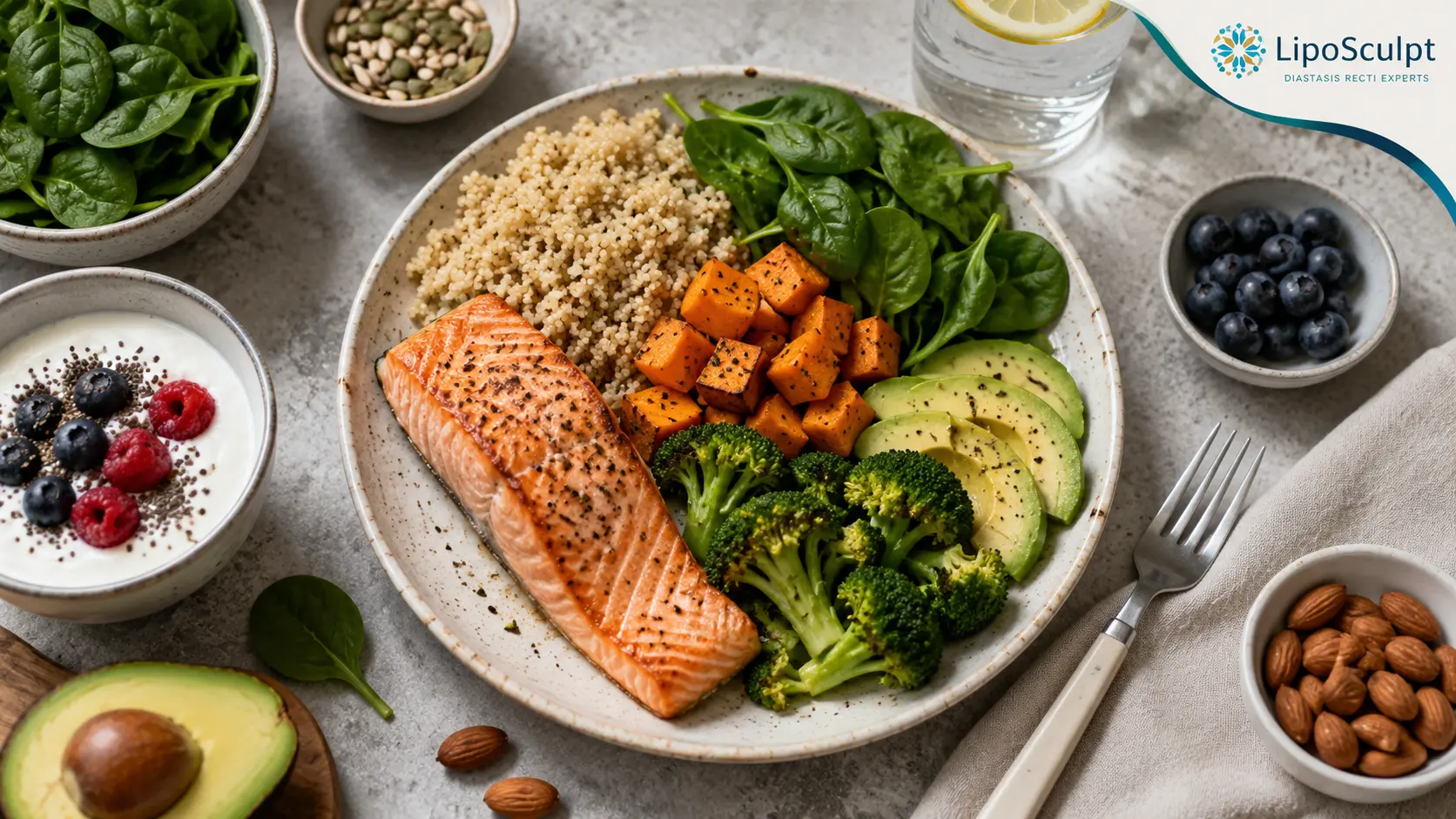
Muscle fatigue has many possible causes, including hormonal changes, altered sleep patterns, increased physical demands, and overall energy needs. Nutrition is one part of that bigger picture.
Skipping meals or relying heavily on ultra-processed foods may leave you feeling less energised throughout the day. Balanced meals containing carbohydrates, protein and healthy fats provide a steadier source of energy compared with foods that cause rapid drops and spikes in blood sugar. These are the most repetitive nutrition tips for muscle strength during pregnancy.
Hydration also deserves attention. Even slight dehydration can cause fatigue and reduced physical performance.
If you are trying belly bands to avoid diastasis recti, read whether they can prevent it Stowmarket.
💡 WHAT MOST ARTICLES WON’T TELL YOU BUT LIPOSCULPT Stowmarket DOES
Most of the articles you read on pregnancy nutrition focus on “preventing” diastasis recti or on building a stronger core. That’s an oversimplification.
Diastasis recti develops as the abdominal wall naturally adapts to accommodate a growing baby. Nutrition doesn’t stop that process. What it does do is support healthy muscle function, provide the nutrients needed for tissue maintenance and contribute to overall well-being before and after pregnancy. That’s a more realistic—and evidence-based—expectation.
Are whole foods better than supplements for supporting muscle health?
For most people, a varied diet provides the foundation for muscle health. Whole foods naturally combine protein, fibre, healthy fats and micronutrients in ways that supplements cannot fully replicate.
Supplements may still have an important role when recommended by your maternity care team, particularly if specific nutritional needs have been identified. They should complement, not replace, a balanced diet.
Good Musle health prevents the diastasis recti, but there are non surgical options to treat diastasis recti near you in Stowmarket, UK. If you are facing diastasis recti, instead of looking for nutrition tips for muscle strenght during pregnancy.
What does a muscle-supportive pregnancy plate look like?
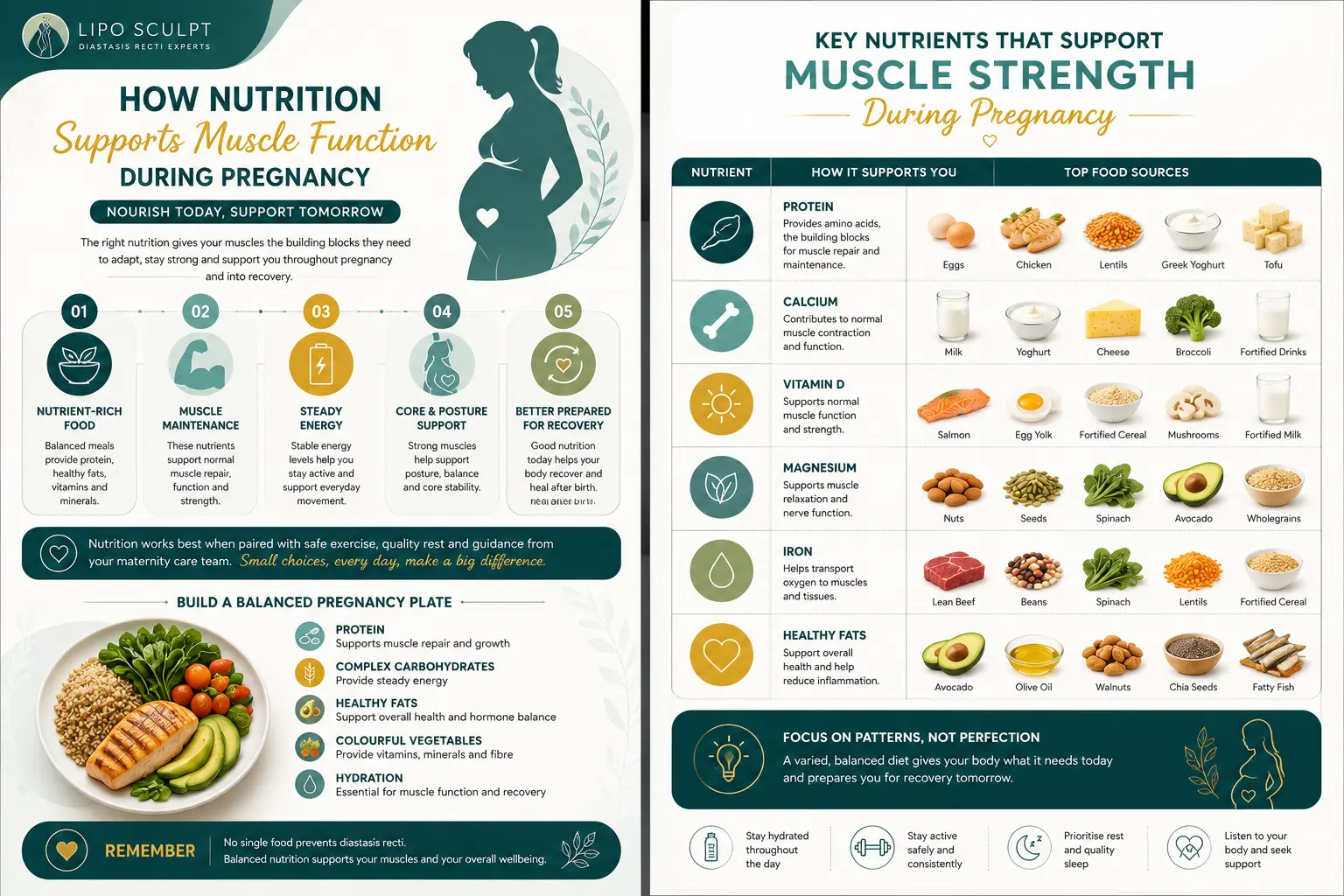
Instead of tallying individual nutrients, consider sourcing your meals around balance.
From the Nutrition tips for muscle strength during pregnancy, A practical meal often includes:
- A lean protein source
- Wholegrain carbohydrates
- Colourful vegetables
- Healthy fats
- Water or another suitable drink
This simple framework makes it easier to eat consistently without becoming overwhelmed by nutrition advice found online.
Common misconceptions about pregnancy nutrition and muscle strength
Several myths continue to circulate online around nutrition tips for muscle strength during pregnancy. Like:
Myth: Protein shakes automatically build stronger muscles.
Reality: Muscle health depends on your overall dietary pattern, activity level and individual nutritional needs.
Myth: Certain foods prevent diastasis recti.
Reality: There is currently no evidence that any single food prevents abdominal muscle separation during pregnancy.
Myth: Eating for two means doubling your food intake.
Reality: Nutritional needs change during pregnancy, but the quality of nutrition matters more than simply eating more food.
How does good nutrition fit into postpartum recovery?

Recovery begins long before birth. Building healthy eating habits during pregnancy gives your body access to the nutrients it needs throughout pregnancy and into the postpartum period.
Nutrition alone isn’t responsible for recovery, but it forms one part of a broader approach that also includes appropriate physical activity, adequate rest, hydration and professional support where needed.
For women who continue to experience abdominal separation after pregnancy, understanding available Diastasis Recti Treatment options can help guide the next steps once assessed by a qualified professional.
FAQs: Nutrition Tips for Maintaining Muscle Strength During Pregnancy
Does eating more protein prevent diastasis recti during pregnancy?
No. Protein helps maintain and repair normal muscle, but there is no evidence that simply increasing protein keeps diastasis recti at bay. This condition occurs when the abdominal wall stretches to accommodate a developing child. Adequate nutrition in Stowmarket supports muscle health but does not prevent this natural change.
Can poor nutrition make muscles feel weaker during pregnancy in Stowmarket?
A diet that lacks sufficient energy, protein or key nutrients may contribute to fatigue and reduced muscle function. However, muscle strength during pregnancy is influenced by many factors, including hormonal changes, sleep quality, physical activity and individual health. If you’re concerned about persistent weakness or fatigue, it’s worth discussing it with your maternity care team.
Are there foods that specifically strengthen abdominal muscles during pregnancy?
No single food targets the abdominal muscles. Muscles throughout the body benefit from a balanced diet that includes protein, healthy fats, complex carbohydrates, vitamins and minerals. Building healthy eating habits over time is more beneficial than focusing on individual foods.
Is hydration important for muscle function during pregnancy?
Yes. Water plays an important role in many normal body processes, including muscle function. Staying hydrated can also support circulation, energy levels and general wellbeing, particularly during warmer weather or physical activity.
Should I take supplements to support muscle strength while pregnant?
Pregnancy supplements in Stowmarket, UK, should only be taken according to the advice of your healthcare professional or maternity team. Supplements can help meet specific nutritional needs but are not a substitute for a balanced, rich and varied diet.
Can nutrition improve recovery after pregnancy?
Good nutrition supports your body’s normal healing and recovery processes. While recovery also depends on factors such as sleep, activity levels and individual health, maintaining healthy eating habits before and after birth provides important nutritional support during this period.
Do vegetarian or vegan diets provide enough protein during pregnancy?
They can. Many plant-based foods, including beans, lentils, chickpeas, tofu, tempeh, nuts and seeds, contain protein. A well-planned vegetarian or a vegan diet in Stowmarket can meet nutritional needs during pregnancy, although some people may require individual dietary advice.
Is it better to eat several smaller meals during pregnancy?
Many pregnant women find that smaller, balanced meals throughout the day are more comfortable than large meals, particularly if nausea or heartburn is present. Meal timing is largely a matter of personal comfort, provided overall nutritional needs are met.
Does muscle strength affect postpartum recovery?
Strong, healthy muscles support normal movement and function throughout pregnancy and after birth. Nutrition is one part of preparing your body for recovery, alongside appropriate exercise, rest and guidance from healthcare professionals where needed.
When should I seek professional advice about abdominal muscle separation?
If you have a gap or bulge in the midline of your abdomen that persists after pregnancy, or if core strength or function are areas of concern, seeing a qualified healthcare provider with experience in rehabilitation following pregnancy is the prudent thing to do.